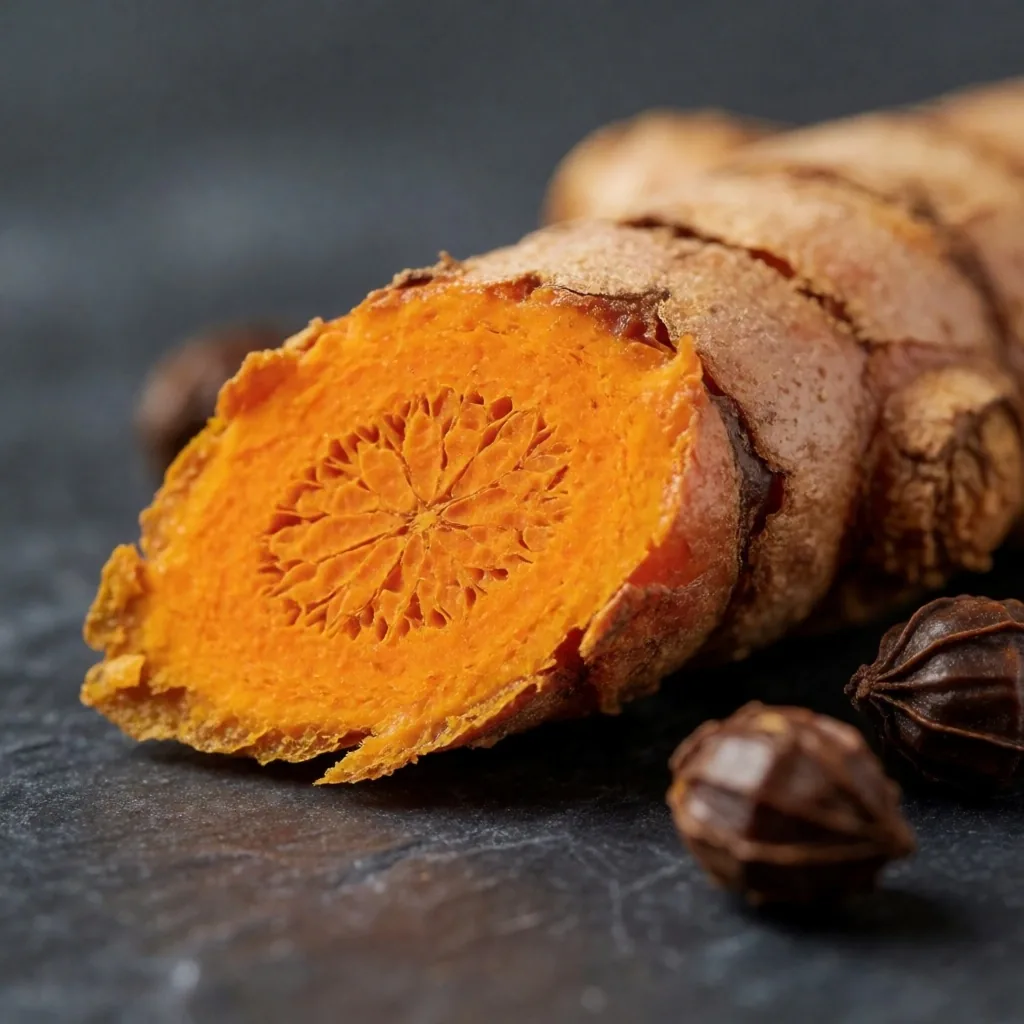
● Herbal Reference Library — Chapter 01
Botanical Extracts & Herbal Support
Plants have been used for health and vitality across millennia and continents. Modern methods now let us identify the specific active compounds within these herbs that contribute to wellness. At Manfaat Pria, we review the most effective botanical extracts used in natural supplements for men — from adaptogens that help the body manage stress to roots that support physical stamina. Understanding these ingredients is the foundation of a well-rounded natural health regimen.
Our Review Approach
How we evaluate each botanical
We assess each herbal ingredient against four practical criteria: the traditional context in which it was used, the active compounds modern research has identified, the forms available in supplements today, and how it fits into a daily wellness routine for men. Our goal is to give you enough context to make informed comparisons — not to recommend any single herb as a universal answer.
-
a
Traditional Origin
Where the plant comes from and how it was historically prepared by the cultures that first used it.
-
b
Active Compounds
The specific molecules — withanolides, ginsenosides, saponins, polyphenols — that researchers have linked to the plant's effects.
-
c
Extract Forms
Standardized extracts, whole-root powders, and concentrated ratios — and what each form means for absorption.
-
d
Practical Fit
How the ingredient fits into a man's daily routine, including timing, stacking, and what to expect.
01 — Adaptogen
Ashwagandha
Withania somnifera
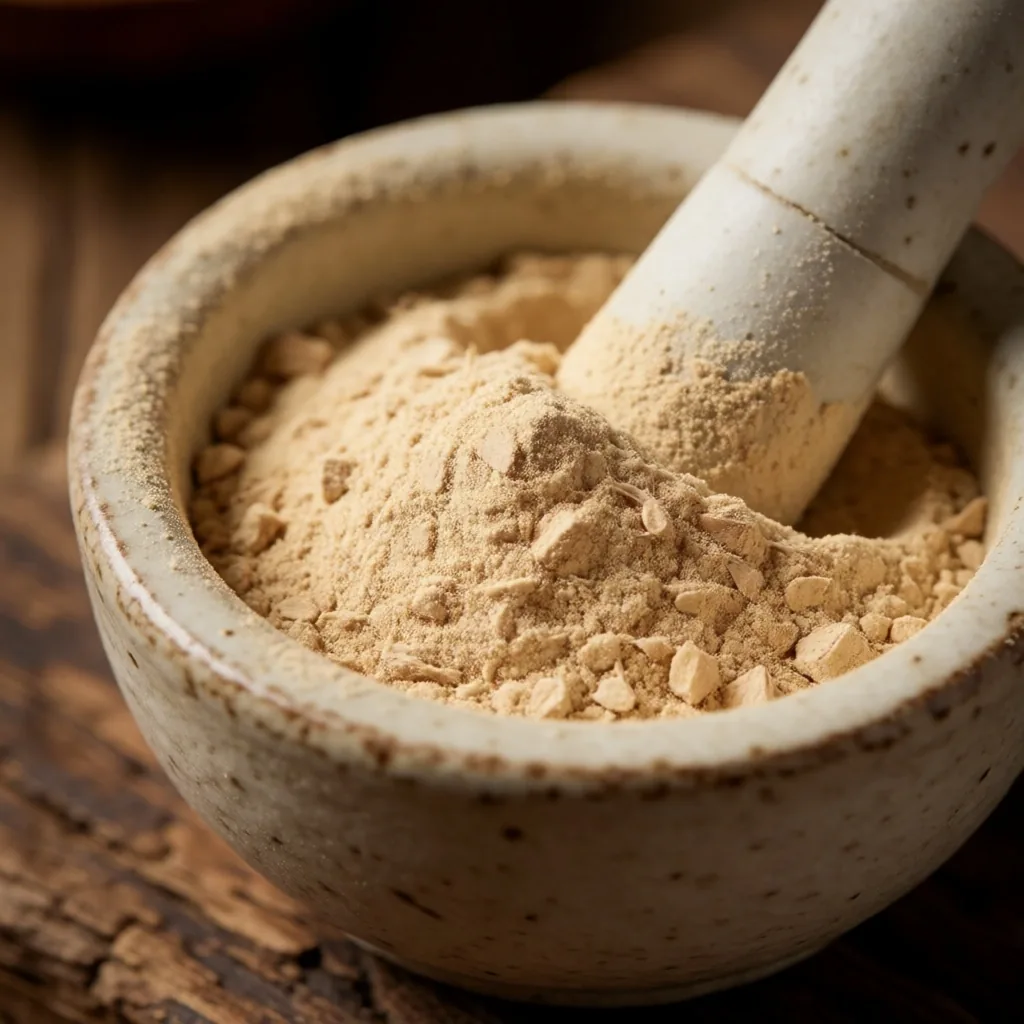
Ashwagandha is a cornerstone of Ayurvedic tradition, prized for its ability to help the body adapt to physical and mental stress. The active compounds, called withanolides, are believed to support a balanced nervous system and promote a sense of calm. For men facing high-pressure environments, ashwagandha can be a valuable tool for maintaining focus and emotional stability throughout the day.
Not all ashwagandha extracts are the same. KSM-66 is a full-spectrum root extract standardized to five percent withanolides, while Sensoril uses both root and leaf for a broader compound profile. The difference matters: root-only extracts tend to support daytime energy and stress resilience, while full-plant extracts lean toward calming, evening use.
02 — Vitality Root
Panax Ginseng
Panax ginseng
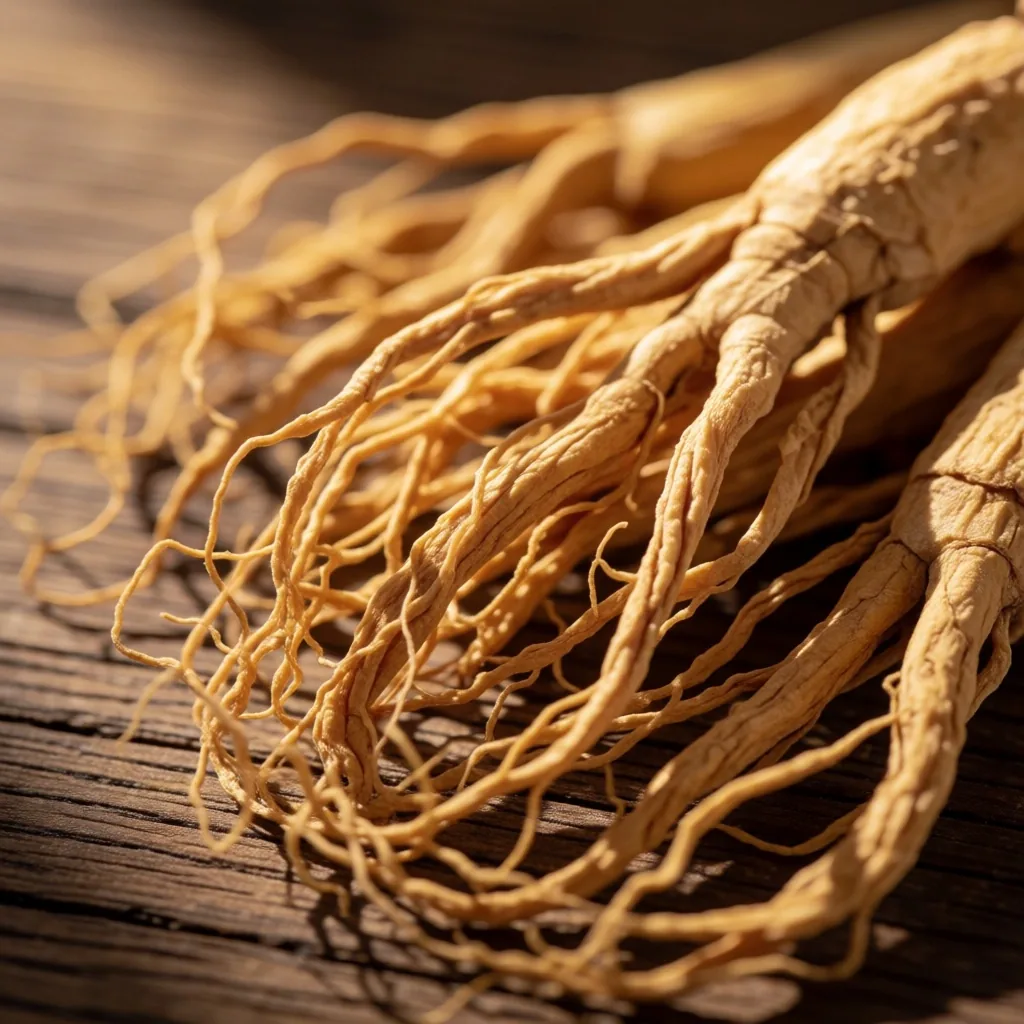
Known as the "King of Herbs," Panax Ginseng has been used in Eastern traditions to support energy and endurance. It is thought to improve blood flow and enhance the delivery of oxygen to the muscles, which makes it a popular choice for men looking to support their physical performance naturally.
The difference between white and red ginseng comes down to preparation. White ginseng is simply dried, while red ginseng is steamed before drying. The steaming process converts certain ginsenosides into more bioavailable forms, which is why red ginseng is generally considered more potent. If you are comparing supplements, the ginsenoside percentage on the label tells you how concentrated the extract is — look for at least five percent for a meaningful dose.
03 — Traditional Herb
Tribulus Terrestris
Tribulus terrestris
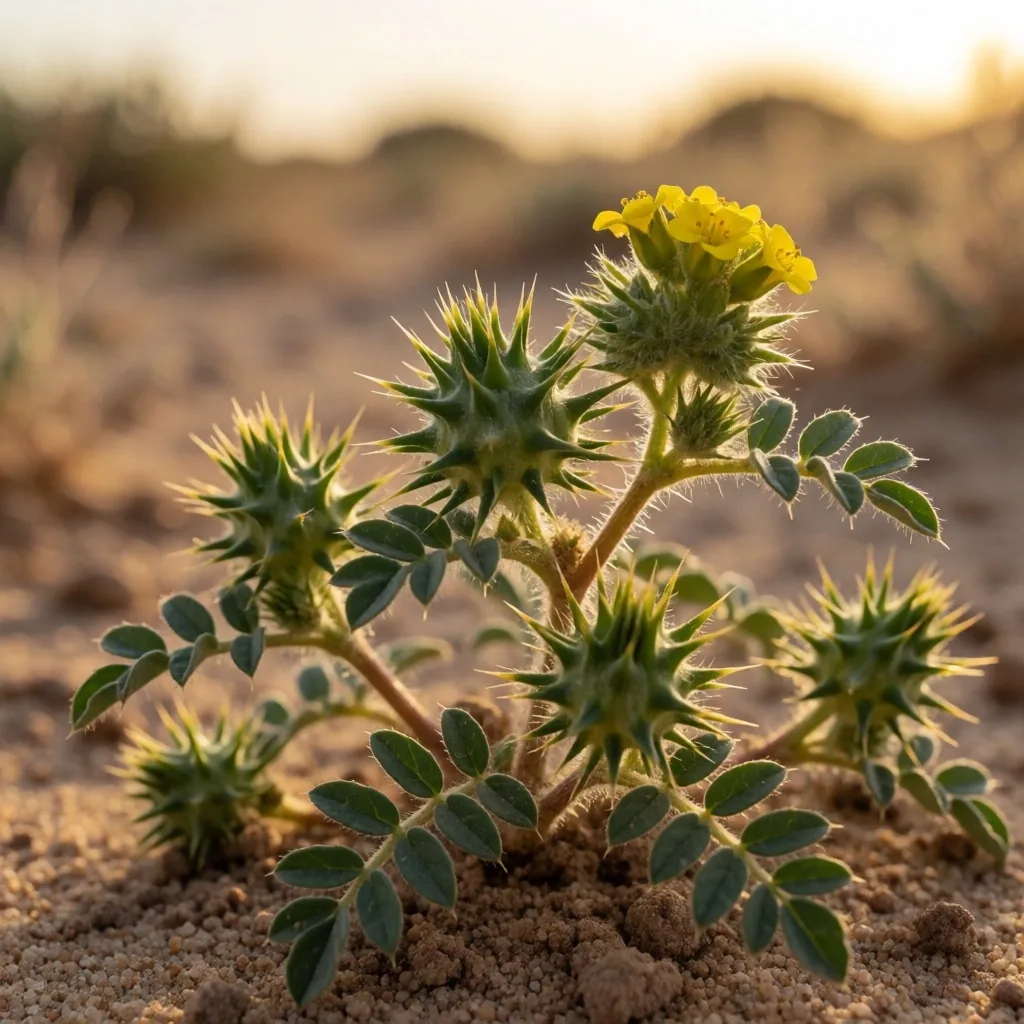
Tribulus Terrestris is a Mediterranean plant that has gained popularity in the fitness community for its purported benefits to vitality. While its mechanisms are still being studied, many men use it to support their overall sense of energy and well-being. The plant contains saponins — specifically protodioscin — which are the primary active ingredients targeted in supplements.
We provide an objective look at the traditional uses of Tribulus and its place in a modern wellness routine. Historically, it was used in Ayurvedic and traditional European folk practices as a general tonic. Today, standardized extracts typically list a saponin percentage (commonly 40 to 90 percent), which indicates how concentrated the active compounds are. As with any botanical, individual responses vary, and it is best used as part of a varied supplement stack rather than as a standalone solution.
04 — Andean Root
Maca Root
Lepidium meyenii
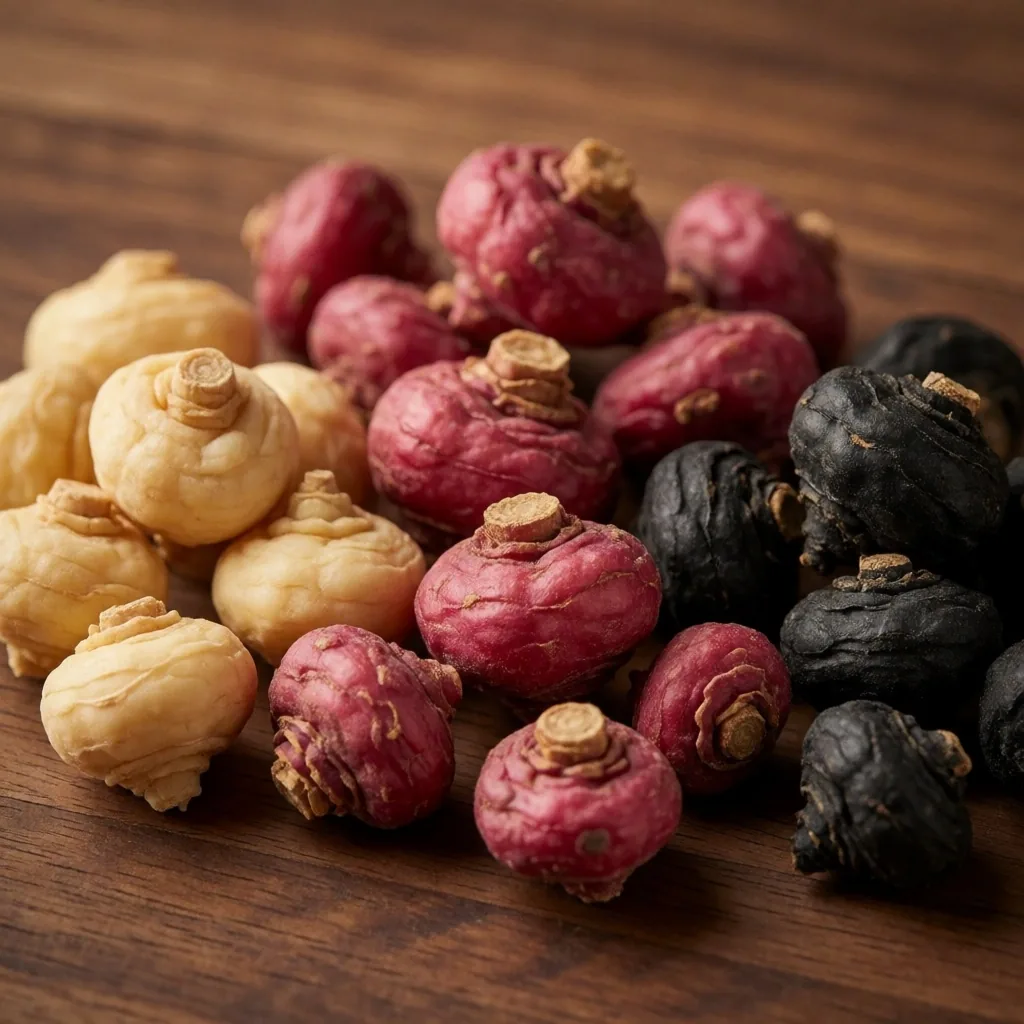
Originating from the high Andes of Peru, Maca root is a nutrient-dense cruciferous vegetable known for its earthy flavor and energy-boosting properties. It is rich in minerals like iron and iodine, which support metabolic health. Maca is often used by men to enhance stamina and maintain a steady mood throughout the day.
Maca comes in several colors — yellow, red, and black — and each may offer slightly different nutritional profiles. Yellow maca is the most common and is generally used for balanced daily energy. Red maca is often associated with bone density and antioxidant support. Black maca is considered the most energizing variety and is the one most men select for physical stamina. Gelatinized maca — a process that removes the starch content — is easier to digest and more concentrated per gram.
05 — Metabolic Support
Fenugreek
Trigonella foenum-graecum
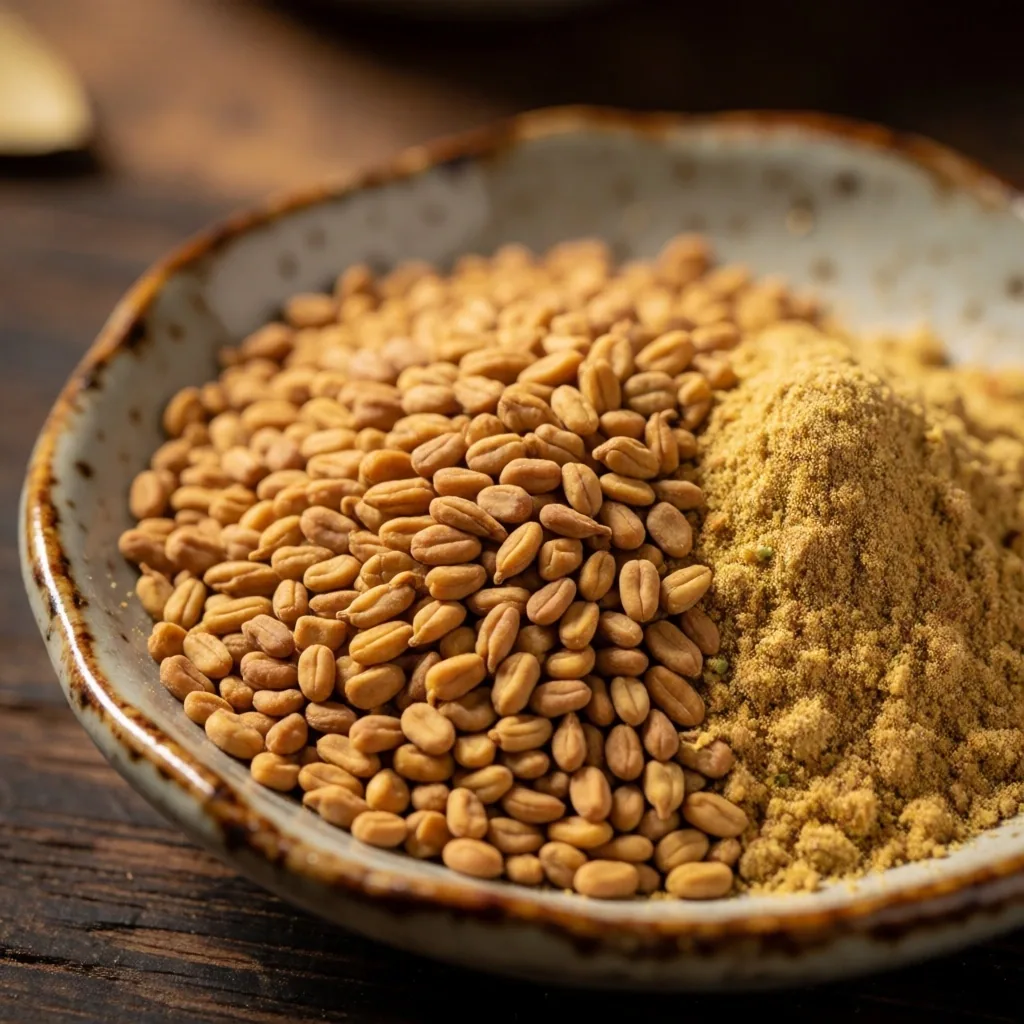
Fenugreek is a common spice that also serves as a potent herbal supplement. It contains a high amount of soluble fiber, which can help manage blood sugar levels and support digestive health. In the context of men's wellness, it is often included in formulas designed to support natural vigor and muscle health.
The seeds are processed into extracts to concentrate their beneficial compounds — primarily steroidal saponins and the amino acid 4-hydroxyisoleucine. Standardized fenugreek extracts like Testofen are concentrated to specific saponin levels. Whole seeds can also be soaked or ground at home, though the concentration of active compounds will be lower than a standardized extract. Fenugreek has a distinct maple-like aroma, which is completely normal and comes from the compound sotolone.
06 — Long-Term Balance
Saw Palmetto
Serenoa repens
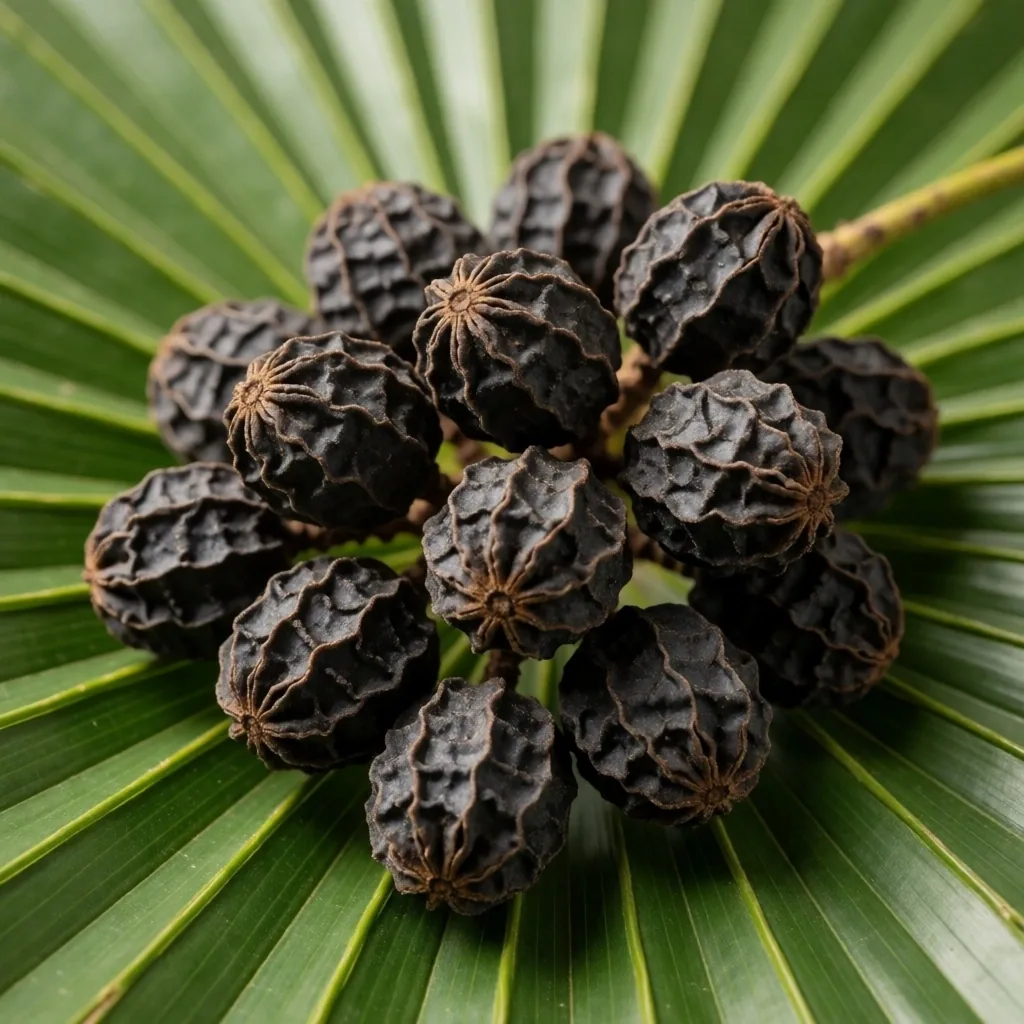
Saw Palmetto is a small palm tree native to the Southeastern United States. Its berries are used to create extracts that are highly valued for supporting specific aspects of male physiological balance as men age. The fatty acids and sterols found in the fruit are believed to help maintain healthy systemic functions.
This section explains the traditional use of Saw Palmetto and its importance in long-term wellness maintenance for men over 40. The berries are typically processed into lipidosterolic extracts, which concentrate the active fatty acids and phytosterols. When comparing supplements, look for extracts standardized to 85 to 95 percent fatty acids. Saw Palmetto is most commonly taken as a daily maintenance supplement rather than for immediate effects, and it is often paired with nettle root or pumpkin seed oil in men's wellness formulas.
07 — Mental Resilience
Rhodiola Rosea
Rhodiola rosea
Rhodiola is an herb that grows in the cold, mountainous regions of Europe and Asia. It is frequently used to combat fatigue and improve mental performance during stressful periods. By supporting the body's natural response to stress, Rhodiola helps maintain clarity and endurance without the crash associated with stimulants.
The quality of a Rhodiola extract comes down to the ratio of its two key compounds: rosavins and salidrosides. The traditional 3:1 ratio (three parts rosavins to one part salidroside) is the standard used in most clinical research, and it is the ratio you should look for on a supplement label. Rhodiola is typically taken in the morning or early afternoon, as evening use may interfere with sleep for some people. It pairs well with ashwagandha for a layered approach to stress management — Rhodiola for daytime focus, ashwagandha for evening calm.
08 — Antioxidant Base
Green Tea Extract
Camellia sinensis
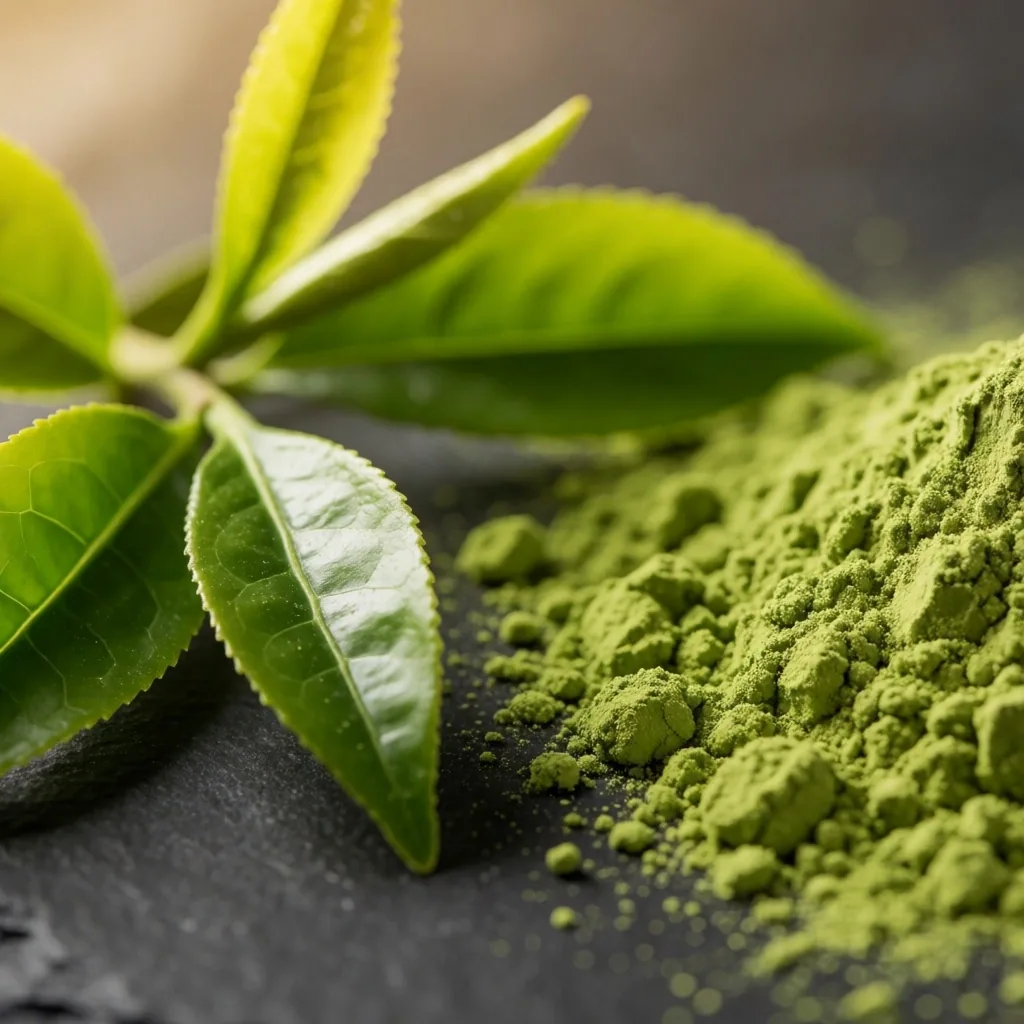
Green tea is more than just a beverage; its concentrated extract is a powerhouse of polyphenols, particularly EGCG (epigallocatechin gallate). These antioxidants support cardiovascular health and can assist in healthy weight management by supporting the body's natural metabolic rate. For men, green tea extract offers a natural way to protect the body from oxidative damage while providing a gentle lift in energy levels.
When incorporating green tea extract into a daily supplement stack, the EGCG content matters more than the total polyphenol count. Look for extracts standardized to 50 percent EGCG or higher. Green tea naturally contains caffeine, so decaffeinated extracts are available for men who are sensitive to stimulants or who already consume coffee. Taking green tea extract with food improves absorption of the catechins and reduces the chance of stomach discomfort.
Quick Reference Matrix
Compare all eight botanicals at a glance
| Herb | Primary Use | Key Compound | Best Time |
|---|---|---|---|
| Ashwagandha | Stress balance | Withanolides | Evening |
| Panax Ginseng | Physical energy | Ginsenosides | Morning |
| Tribulus Terrestris | General vitality | Saponins | With meals |
| Maca Root | Daily stamina | Iron, iodine | Morning |
| Fenugreek | Metabolic support | Soluble fiber, saponins | With meals |
| Saw Palmetto | Long-term balance | Fatty acids, sterols | Anytime |
| Rhodiola Rosea | Mental focus | Rosavins | Morning |
| Green Tea Extract | Antioxidant base | EGCG | With food |
This matrix is a starting point for comparison, not a dosing schedule. Individual responses to botanical extracts vary. If you are managing an existing health condition or taking other supplements, consult a qualified professional before adding new herbal ingredients to your routine.
Common Questions
Practical answers about herbal supplements
These are the questions we hear most often from men comparing botanical extracts for the first time. For more detailed guidance, our wellness guide walks through how to build a supplement routine step by step.
How long does it take to feel the effects of an herbal extract? +
Can I take several of these herbs together? +
What does "standardized extract" mean on a supplement label? +
Are these herbal supplements safe for daily, long-term use? +
Where can I learn more about choosing quality herbal supplements? +
Continue Exploring
Where to go next on your natural wellness journey
01
Browse Herb Library
Our wellness guide walks through how to combine these botanicals into a daily routine.
02
Review Botanical Safety
Our selection criteria page covers what to look for on labels — testing, sourcing, and standardization.
03
Learn About Adaptogens
Explore the essential vitamins that pair with these herbal extracts for complete daily support.
Questions about an ingredient?
Our team is available Monday through Friday, 09:00 to 18:00, to help you compare botanical extracts and find the right resources.